By the founder of Athulai
I never thought I would be the person writing about joint recovery. I teach Tai Chi. I walk 5km every day. I play Table Tennis every evening. Movement is my life.
But few years ago, life had other plans.
The Surgery That Stopped Me in My Tracks
After a surgery on my right foot, something as simple as walking became a source of dread. Every few steps, my ankle would swell — hot, tight, and stubborn. The doctors said recovery would take time. What they didn’t tell me was how to fill that time meaningfully, or how to speed things along.
I could have rested completely. Many people do. But rest, I have learned over 15 years of Tai Chi practice, is not always the same as healing.
So I turned to the one thing I knew best.
Why I Chose Tai Chi Over Complete Rest
Tai Chi is often described as “meditation in motion” — and that description, while poetic, undersells what it actually does to your body.
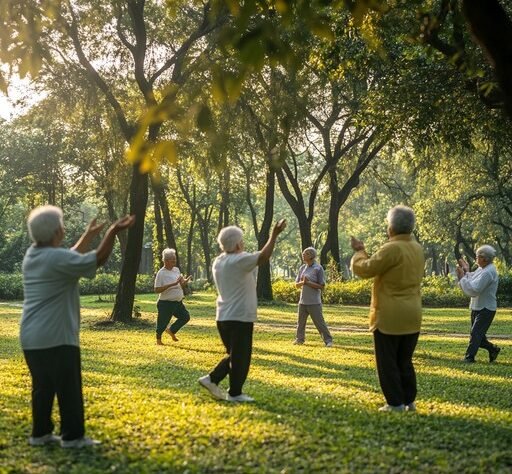
At its core, Tai Chi is a series of slow, deliberate movements that flow into one another. There is no impact. No sudden jerks. No strain. Instead, there is weight shifting, gentle rotation, and a constant, quiet conversation between your mind and your body.
For a post-surgery ankle, this was everything.
I began with the simplest movements — ones that kept weight off the foot while encouraging circulation. Gradually, as the weeks passed, I introduced more weight-bearing postures. Always listening. Never forcing.
What Actually Happened to My Ankle
The results were not overnight. But they were real.
Within the first two weeks, the swelling after walking reduced noticeably. I had been icing my ankle every evening. After two weeks of gentle Tai Chi, I was icing it less often.
By the end of the first month, I was walking short distances without the familiar tightness that had been my constant companion since the surgery.
By three months, I was back to my morning walks — cautiously at first, then with growing confidence. My surgeon was pleased. I was quietly amazed.
What Tai Chi did, I believe, was this: it kept the joint moving without stressing it. It promoted blood flow to the area — essential for healing — while the slow, conscious movements prevented the stiffness that comes from prolonged rest. It also, importantly, kept my mind calm during a period that could easily have become frustrating and demoralising.
What the Science Says (And Why It Matters for Seniors)
I am not a doctor, and this is not medical advice. But I was curious enough to look into why Tai Chi seemed to work so well for my recovery.
Research has consistently shown that Tai Chi:
- Improves balance and joint stability, especially in the ankles and knees
- Reduces inflammation markers in people with joint conditions
- Strengthens the muscles around joints without putting pressure on the cartilage
- Improves proprioception — your body’s sense of where it is in space — which is critical after any lower limb surgery or injury
For seniors above 60, this last point is particularly important. Falls are one of the leading causes of serious injury in older adults, and most falls happen because of poor balance and weak proprioception. Tai Chi directly addresses both.
What I Tell My Students Now
I have been teaching Tai Chi for over a decade. Before my surgery, I would tell students it was good for stress, flexibility, and balance. All true.
After my surgery, I tell them something more personal: it helped me walk again.
I tell them that the body, even at 54, even after surgery, is more capable of recovery than we give it credit for — provided we give it the right kind of movement, and the right kind of patience.
Tai Chi taught me both.
Can You Try This at Home?
If you are recovering from a joint issue, or simply noticing that your knees, ankles, or hips are not as cooperative as they once were, here are three beginner Tai Chi movements that are gentle enough for most people to start with:
1. Weight Shifting Stand with feet shoulder-width apart, hands relaxed at your sides. Slowly shift your weight to the left foot, then back to centre, then to the right. Repeat 10 times each side. This builds ankle stability and balance without any impact.
2. The Cloud Hands Movement Stand comfortably. Move your arms slowly in a horizontal arc — left hand rises as right hand lowers, then switch. Let your torso follow gently. This opens the shoulders, loosens the lower back, and encourages full-body coordination.
3. The Golden Rooster Stands on One Leg This one sounds harder than it is. Simply raise one knee slowly until your thigh is parallel to the floor, hold for 3–5 seconds, then lower. Repeat 5 times each leg. This builds extraordinary ankle and knee strength over time.
Start slow. Use a chair for support if needed. The goal is not perfection — it is consistency.
A Final Word
I started Athulai because I saw too many seniors living with unnecessary discomfort, told by the world around them that aches and stiffness were simply “part of getting old.”
My ankle — and the 15 years of Tai Chi that helped it heal — taught me otherwise.
Getting older does not mean getting weaker. It means getting wiser about how you move, how you rest, and how you treat the body that has carried you this far.
Tai Chi, for me, is that wisdom in motion.
If you would like to know more about beginning Tai Chi, or have questions about joint health and movement for seniors, feel free to reach out through the contact page. I am happy to help.
How to Brush Away Stress -Painting for elderly people
Tags: Tai Chi, joint health, post-surgery recovery, senior fitness, ankle recovery, healthy ageing, active lifestyle Category: Fitness Recommended reading time: 6 minutes